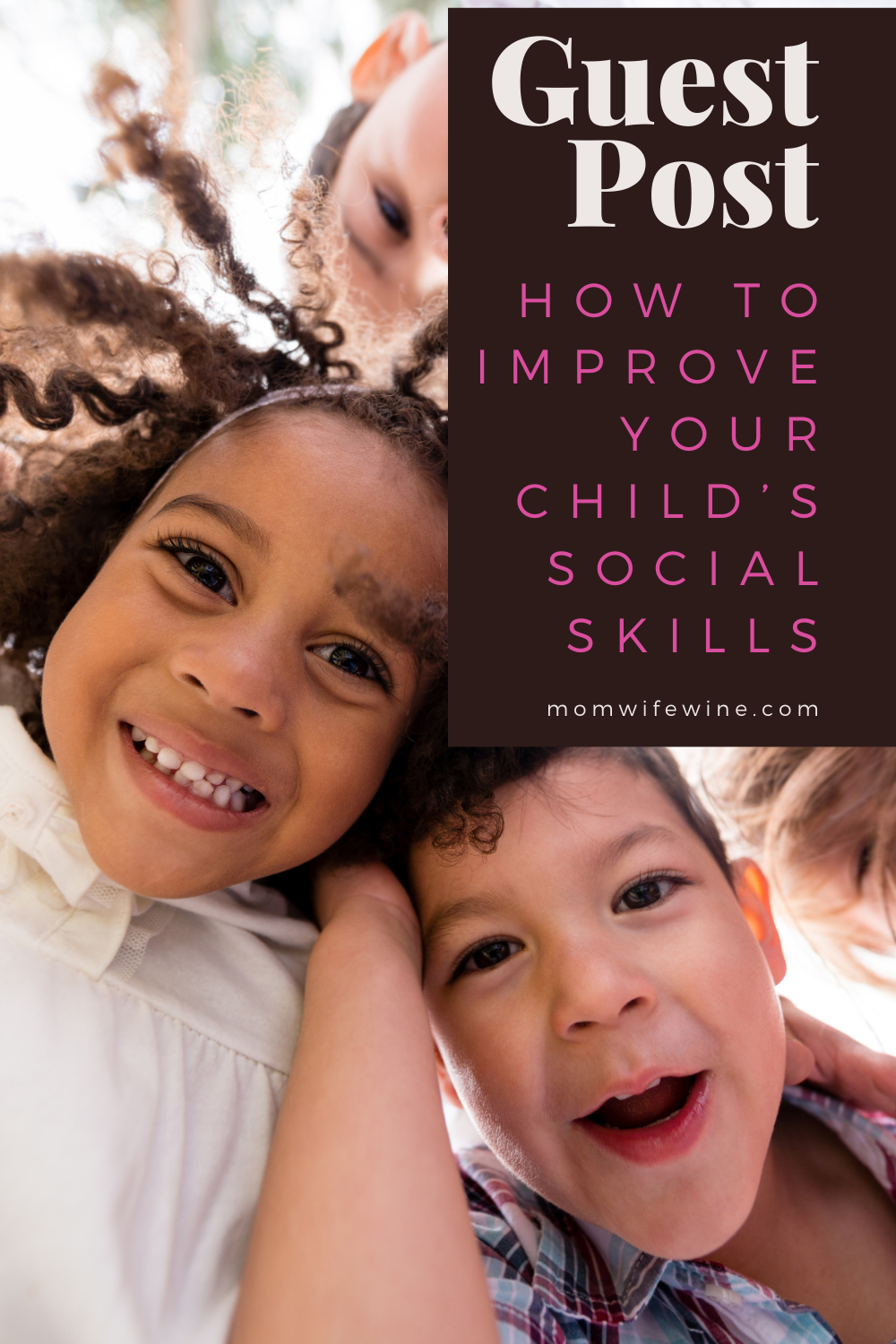
They say you should start as you mean to go — and the same is true for raising kids. How we begin parenting can deeply shape how our children grow, learn, and interact with the world. Research shows there are key parenting tips that give your child the best start in life. These tips help them feel secure, confident, curious, and equipped for life’s challenges. Whether you’re expecting, raising toddlers, or navigating school age, these strategies can make a meaningful difference in your child’s development.
This post was updated for 2026.

Create a Set Routine to Give Your Child the Best Start in Life
Studies have shown that having an established routine can have a huge impact on a child’s sense of self. This doesn’t mean always sticking to the schedule; it just means having a broadly set routine. For instance, having meals at the same time each day, going to bed at a specific time, having a Sunday afternoon routine, etc. It helps to subconsciously instill good habits and discipline, both of which can be hugely important later in life. Experts indicate that routine gives kids emotional security and helps them learn expectations and time management early on.
Positive Mindset
Plenty of things contribute to overall success, but a positive mindset is one thing that virtually all successful people possess. How you talk to yourself can be the difference between saying “I can do that” and “I can’t do that”. Whichever you say, you are correct. It largely comes down to belief. Encourage your child to speak kindly to themselves by teaching the importance of a positive mindset — and how to do it. Depending on their age, that could be as simple as catching them when they say something negative to themselves. Encourage hopeful self-talk and model optimism in daily moments — children learn mindset from how we respond to challenges.
Be a Great Role Model
Children pick up far more from their parents than we often realize. It’s not just about what you say, but how you show up day to day. While no one is perfect, making an effort to be a positive role model matters.
Prioritizing your own physical, mental, and emotional well-being helps you show up more fully for your children, and that calm, confidence, and resilience naturally carry over to them. Children absorb our behaviors — not just our words. The way parents model communication and empathy plays a key role in how kids interact socially.
Early Learning
Your child’s academic prowess will have a huge impact on their success when they enter the real world as an adult. While children develop at their own pace, it’s important for them to be in environments where they can soak up academic learning as young as possible. You’ll ideally have a learning home full of books and curiosity, and also place your child in a preschool that is highly valued for its academic curriculum.
The sooner your child has strong educational foundations, the easier it becomes to support their interests and confidence — both of which contribute to giving your child the best start in life well beyond the classroom. Balance academic foundations with playful learning at home — talking, reading, and exploring together builds language and curiosity long before formal school starts.
Understanding Milestones That Give Your Child the Best Start in Life
Kids develop at different paces, but knowing typical milestones helps you support growth without comparison or stress. Talk, read, and play with your child daily — these are among the best predictors of language and cognitive development.
Building Relationships
While it’s not exactly a hard and fast rule, it’s generally best to encourage your child to have positive relationships with as many people as possible. We’re a social species, and aside from simply being enjoyable, having plenty of connections can help us when life gets tough. Your child will have the chance to make plenty of friends at school, but also ensure they have relationships with their aunties and uncles, cousins, your friends, and so forth. They’ll learn a lot and have a sense that they’re never alone in this world. Strong connections with family and peers help children develop confidence, emotional regulation, and social skills.
Professional Help (Where Required)
There’s a wide range of issues that can affect children. From learning disabilities to behavioral issues and mental health concerns, it’s not always easy being a child. It’s not the presence of an issue that matters most, but rather, how you respond to it. While you may wish to help your child yourself, in some cases it’ll be better to work with a professional.
Most issues can be overcome, but they may require specialist assistance. If you notice developmental delays or ongoing behavior challenges, early support can make a big difference — especially in early childhood. It’s not the presence of an issue that matters most, but rather, how you respond to it. Timely support can play an important role in giving your child the best start in life, especially during early childhood.
Non-Tech Activities
If you’re of a certain age, then you’ll remember a time before smartphones and other devices. Incorporating the internet into our lives has had a positive impact, but there’s also value in non-tech activities. Your child will spend lots of time looking at screens throughout their life, so engage in plenty of non-tech activities. A child who’s given the gift of appreciating nature when they’re young will possess it for the rest of their lives. It’ll give them a fun, calming space to turn to later in life when they feel overwhelmed by the digital world. Experts indicate that incorporating nature walks, crafts, block play, and imaginative games supports focus, creativity, and family connection — and balances screen time.
Quality Family Time: Giving Your Child the Best Start in Life
We’ve talked about how parents can give their children a great start in life, but it shouldn’t replace the essentials. There’s nothing more essential than quality family time.
You’ll want your child to make the most of life, but there should always be time for slowing down and simply enjoying the simple pleasures, such as spending a cozy night on the couch watching one of those great classic family movies. They’re the moments we live for. Simple togetherness — from shared meals to bedtime stories — builds emotional security and long-term memories.
Additional Supportive Educational Resources
The standard educational resources you provide them with will be of great help. It’s wise to know when extra support could make a significant difference, though. Every single child grows and learns at their own pace. You might benefit from exploring certain approaches that blend academic learning with personal development, for instance. Perspectives such as Alpine Academy Utah reviews may provide insight into how supportive programs help children improve skills while building significant confidence. You’ll be able to fit your child’s needs perfectly if you are properly informed. Explore simple learning activities that promote motor skills, language, and problem solving — like counting games, sorting colors, and read-aloud time.
Their Own Space
While 90% of the time your child will be with you and part of the family activities, keep in mind that it can also be good for children — once they’re past a certain age — to have their own space. It’s there that they can follow their interests, let their minds explore, and develop their creative sides. Feeling part of the family while also having some independence is an ideal scenario for many children to experience the best of both worlds. Kids benefit from belonging and independence.
Recap: How to Give Your Child the Best Start in Life
Giving your child the best start in life isn’t about doing everything perfectly or following a rigid formula. It’s about showing up consistently, staying curious, and creating a home where your child feels safe, supported, and free to grow into who they’re meant to be. Some seasons will feel easier than others, and some days you’ll question whether you’re doing enough — that’s part of parenting, too.
What matters most is that your child knows they’re loved, listened to, and encouraged. Over time, those small, everyday moments — routines, conversations, laughter, and quiet connection — add up in powerful ways. Trust yourself, trust your instincts, and remember that the effort you’re putting in now is laying a foundation that lasts far beyond childhood.